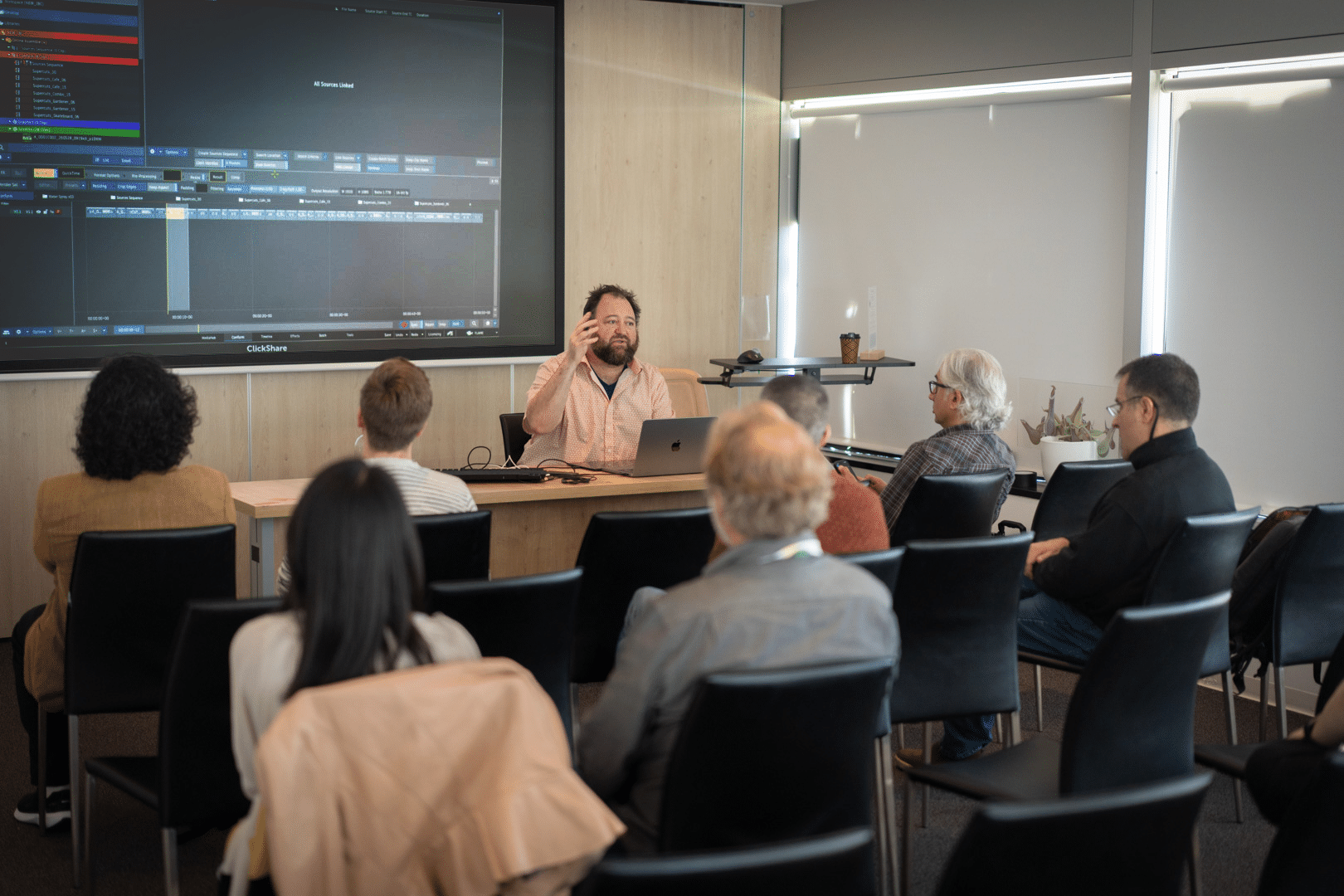
Republic Flame artist and colorist Bryan Bayley recently traveled to Amsterdam for IBC 2026, one of the world’s largest media and entertainment technology conferences. Invited by Autodesk and the Logik Flame community, Bayley taught a master class on using Python scripts to make Flame workflows faster and easier. We caught up with Bayley to talk about the conference, AI’s growing role in post-production and his time in Amsterdam.
Give us the big picture. What brought you to Amsterdam?
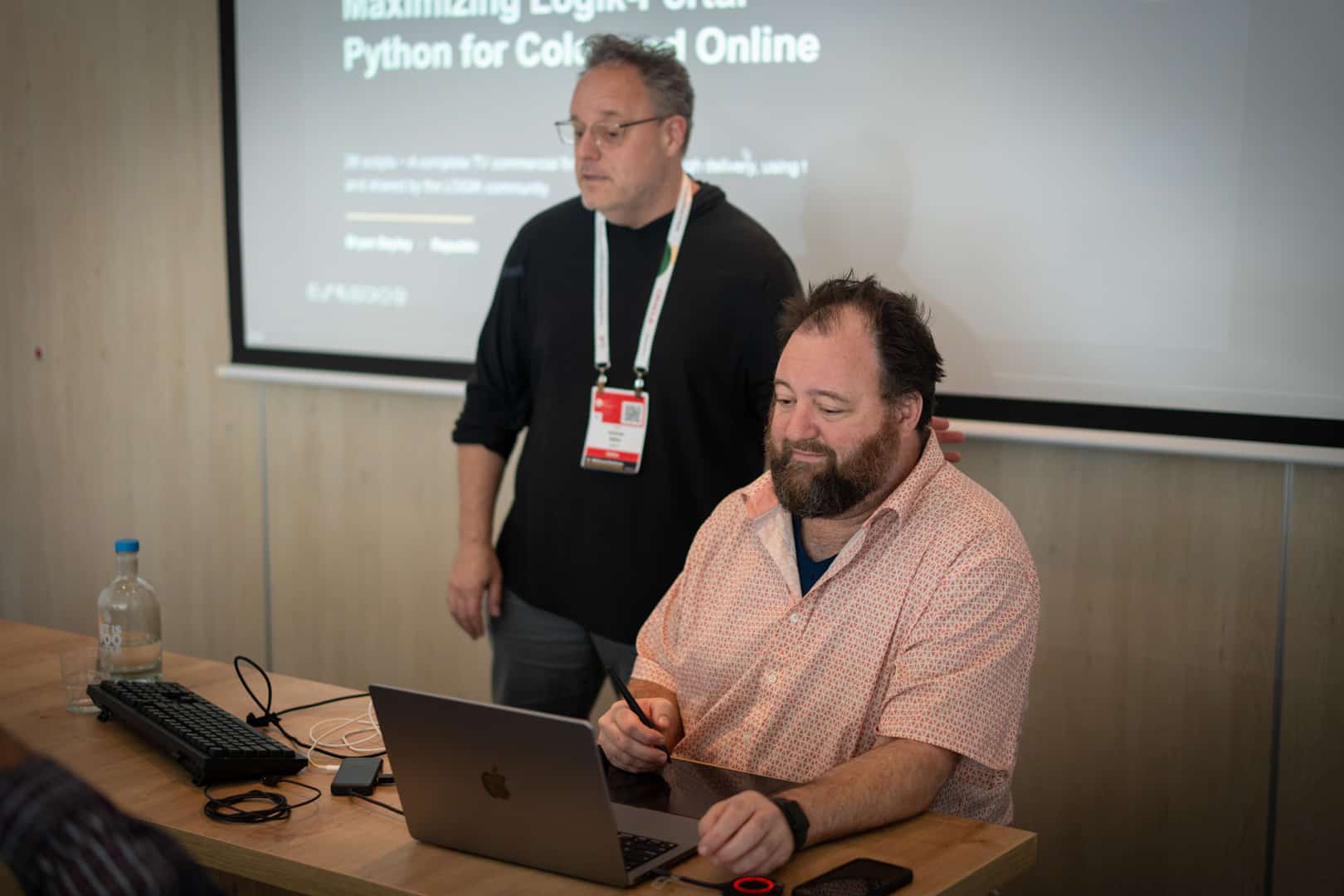
IBC is basically the European equivalent of NAB. Autodesk and Logik brought me over for a series of Flame master classes featuring six presenters. My session focused on Python scripts. I walked through about 30 community-created scripts that can automate repetitive tasks, speed up workflows or do some of the work for you. It was fun because everything I showed came directly from Flame artists who built these tools and shared them with the community.
What did the other master classes cover?
There were sessions on AI and ComfyUI integration, conforming, online editing, assembly and automation. One presenter shared around 50 quick Flame tips, while another demonstrated the publish workflow, which makes it easier to send shots to other artists and automatically bring their work back into Flame. It was a nice snapshot of how people are using Flame right now.
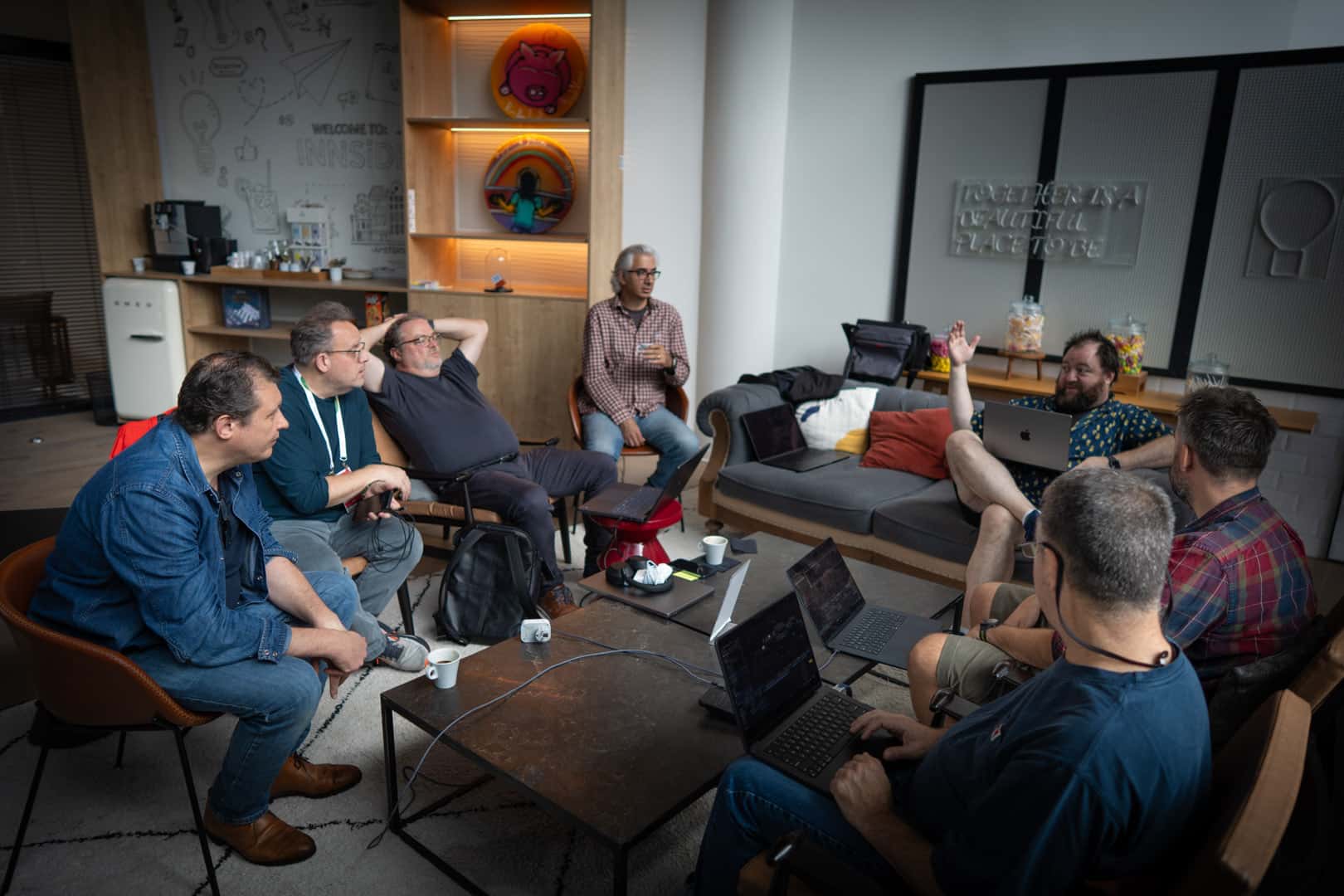
What was the ‘vibe coding’ session?
The formal master classes were on Saturday. On Sunday, we had a much more casual session where everyone sat around with their laptops and showed off tools they were building, code they were playing with and different ways they were using AI. The first day was structured. The second day was basically everyone hanging out, collaborating and trading ideas.
How did IBC compare with NAB?
It felt about the same size and was very well attended. The biggest difference was how international it felt. You met people from everywhere, and parts of the show floor highlighted technology from specific countries and regions. We had around 20 people in the master classes, including artists from Germany, Spain, Poland and Norway. It was a great chance to meet Flame artists from all over Europe.
What’s your history with the group?
I’ve been involved with the Flame beta program for at least 15 years, and I’ve presented Logik master classes at NAB for the past four years. The Logik community is big on training, support and helping other artists. I’ve been teaching these kinds of sessions for about five years, and they keep inviting me back to cover new topics. Autodesk wanted to make a bigger push at IBC this year, so they started talking with the Logik presenters shortly after NAB about bringing us to Amsterdam.
What stood out on the show floor?
I’ve been using AI tools in my own work for a while, so I’m comfortable with what they can do and where they fit into post-production. At previous conventions, it felt like everyone was chasing AI and trying to catch up with the technology. This year, more companies seemed to understand how it could actually be implemented, with practical tools that fit naturally into existing workflows. The conversation has shifted from “What can we do with AI?” to “How can AI make this work better?”
Where do Flame artists fit into all of this?
Some Flame artists are using ComfyUI and other AI tools all day, while others only use them occasionally. AI can definitely automate tasks and speed things up. But there’s always going to be cleanup, problem-solving and work that needs a very specific human touch. I don’t see AI replacing Flame artists. I see it becoming another tool they’ll use. The artists who can combine both skill sets will be in a great position.
What makes the Logik community special?
Logik is a Flame user group run by Flame users. It’s a close community because there aren’t as many Flame artists as there are users of some other software. Logik hosts live webinars and has an active forum, Discord community and online portal filled with Python scripts, Flame setups and tutorials. Everything I presented at IBC is available there. People genuinely want to share what they know and help each other get better.
What did you think of Amsterdam?
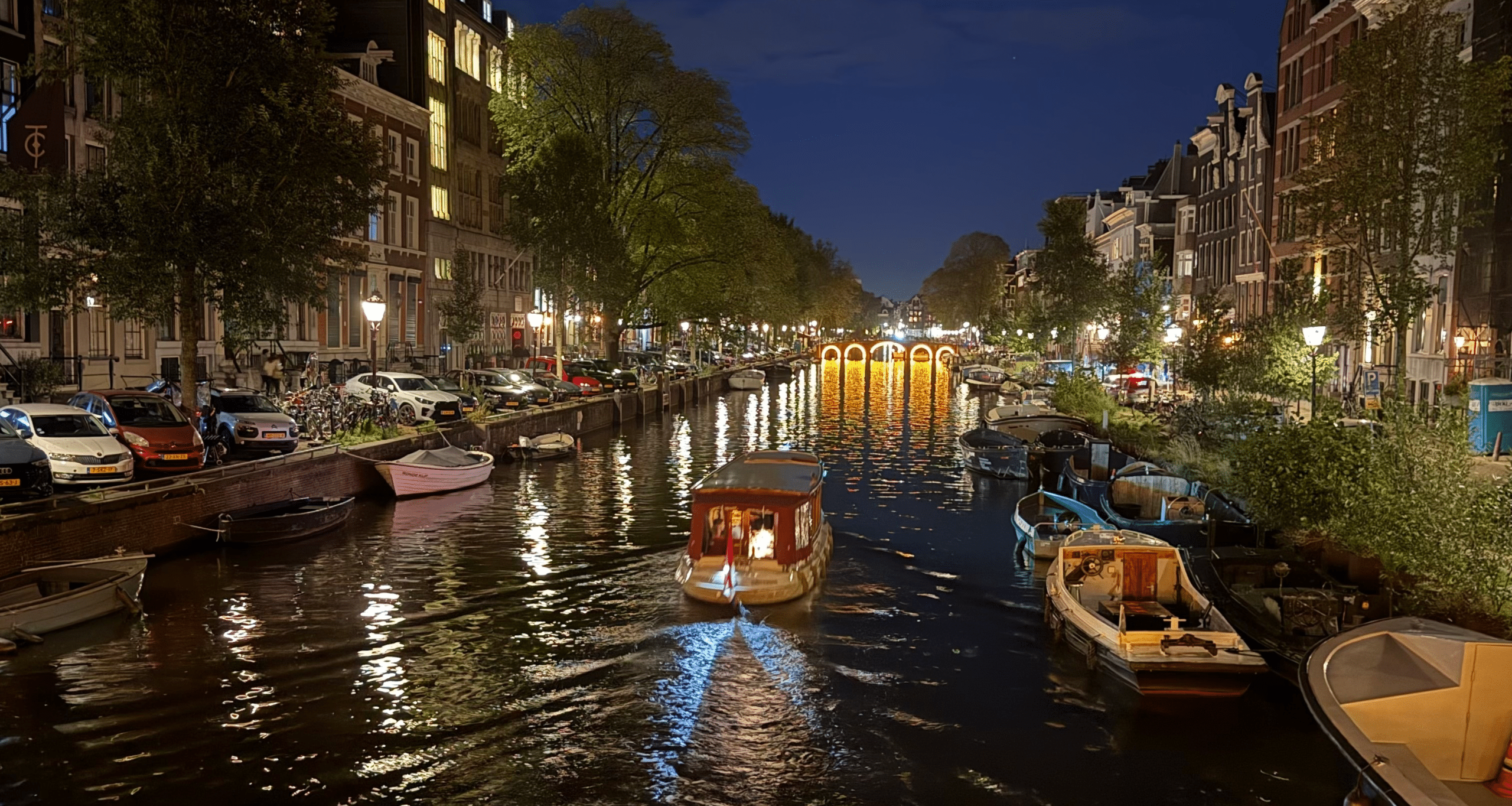
I loved it. The weather was great, and the city was everything you hear about: bicycles, canals, walking, little shops and food from all over the world. All the presenters stayed together in an Airbnb, so we had plenty of time to talk about the industry and catch up. I also visited the Van Gogh Museum and the Rijksmuseum. After spending the week talking about technology and the future of art, it was inspiring to spend some time with the classics.
What’s next?
We’ll soon start talking about the Logik master classes for NAB 2027, and there’s also discussion about a possible user-group meeting in London. There are definitely more Logik events coming, and I’m happy to keep being part of them.
(Photos courtesy of Jeff Kyle)